
Starlink Cable Lengths and Optional Extensions
Learn about the different Starlink cable versions, including specs like length and connector type. Learn how to extend Starlink cables beyond 50 ft.

- Author
- Published
- Community
- 83 comments
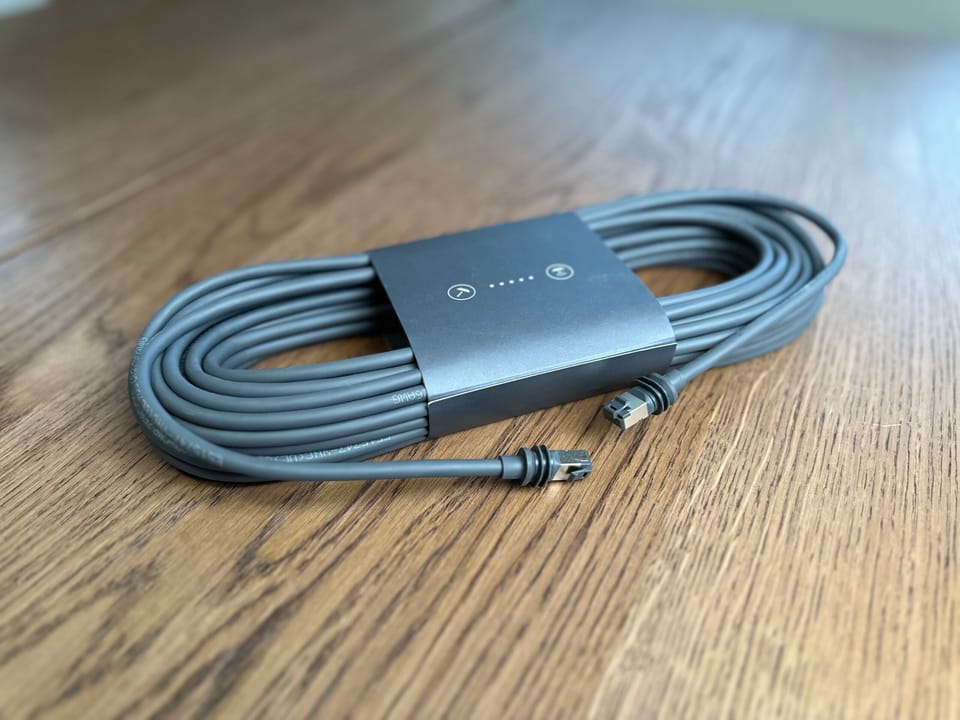
The Starlink cable provides a connection between the Starlink antenna and Wifi router, carrying power and data. Most Starlink kits come with a 50 ft cable, but longer versions are available. In most cases, you can just add an extension to the included Starlink cable.
Starlink cables and connectors have evolved over the years, so it's important to know which version you have if you need to extend your cable. In this guide, I will cover the cable specs and features for each Starlink model, offering tips and recommendations along the way.
Starlink Cable Lengths
The length of your Starlink cable depends on which dish model you have. Starlink equipment spans three major generations, each with slightly different cables and connectors.
This post contains affiliate links. I may earn a commission from purchases made through these links, which helps support DISHYtech.
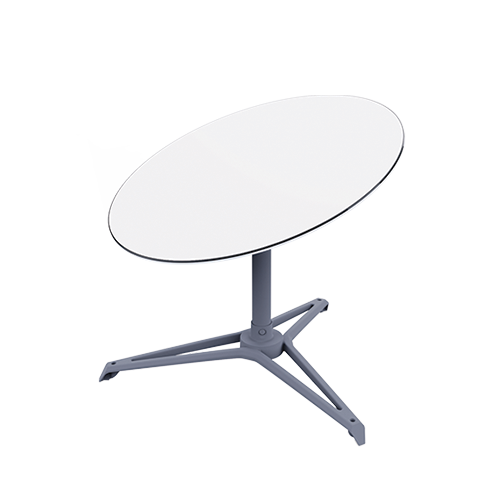
Gen 1 Standard Circular: The original Gen 1 dish has a permanently attached 100 ft (30 m) Starlink cable. A shielded RJ45 connector plugs into the power supply for power and data. To extend the Gen 1 cable, you can use a waterproof Ethernet coupler to attach additional lengths of CAT6 cable.
Gen 2 Standard Actuated: The Gen 2 Standard Actuated kit comes with a Starlink cable that is 50 ft (15 m) long. Unlike other Starlink models, this generation uses proprietary connectors at each end, making aftermarket cable extensions impractical. Instead, you can just get a longer version of the cable, like this 150 ft Gen 2 Starlink cable from Stargear.
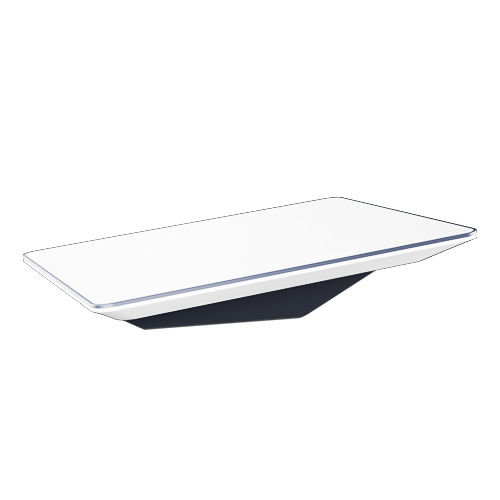
Gen 2 High Performance/Flat High Performance: Gen 2 High Performance and Flat High Performance kits have a Starlink cable length of 82 ft (25 m). 82 ft is the longest cable length available. It has proprietary Starlink connectors on each end. Although similar looking, the proprietary connectors on the Gen 2 Standard Actuated aren't compatible with the High Performance connectors.
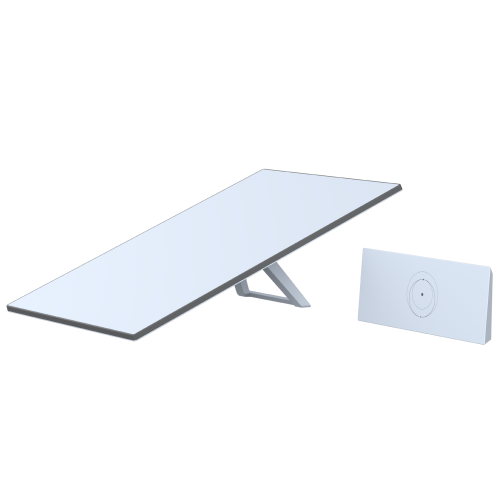
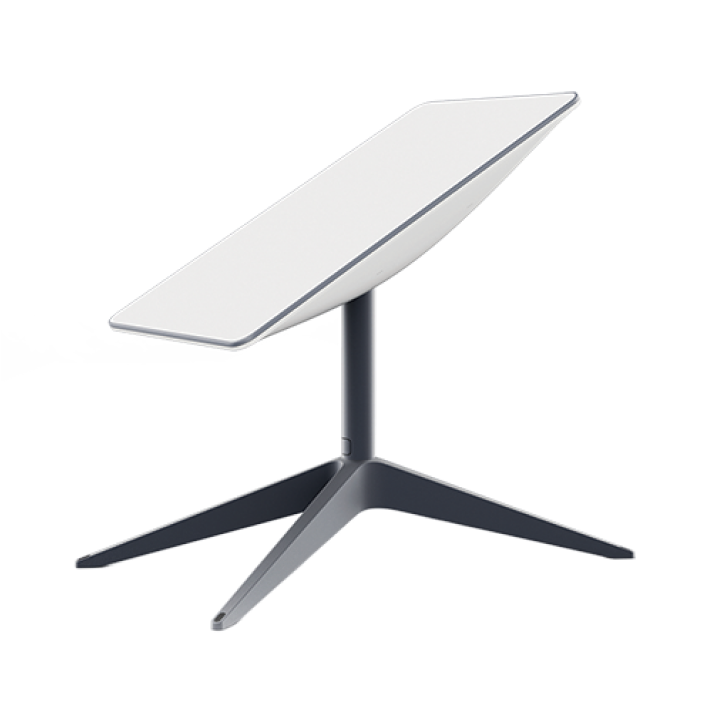
Gen 3 Standard: 49.2 ft (15 m) is the Starlink cable length for the Gen 3 Standard dish. Longer versions are available directly from Starlink, as well as cheaper 3rd party companies like Stargear. The Gen 3 Standard cable uses RJ45 connectors on each end of the cable, with special moisture seals. You can easily extend the length of the Gen 3 Starlink cable by adding a waterproof coupler, combined with aftermarket CAT6 cable. Check out my easy Starlink cable extension tutorial for more.
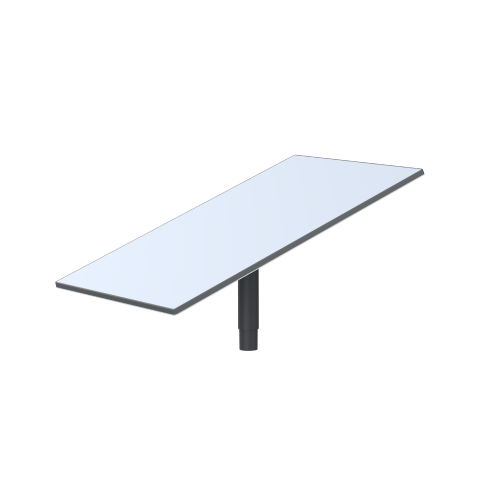
Enterprise: The Starlink Enterprise kit includes a 164 ft (50 m) cable that connects the antenna to the power supply. Although the Enterprise kit uses the Gen 3 Standard antenna, the Starlink cable is different. One end has the usual RJ45 connector, but the power supply end uses a proprietary connector. In order to extend the Enterprise cable, you'll need this adapter in addition to outdoor rated CAT6 cable.
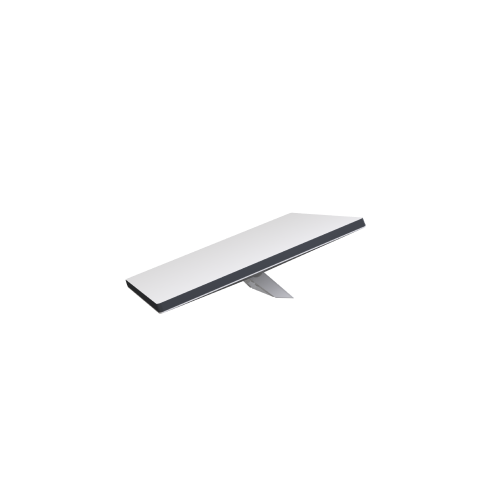
Mini: The Starlink Mini dish is unique because it has an integrated Wifi router. Because of this, the power and data doesn't need to be combined into one cable. The Mini comes with a 49.2 ft (15 m) DC power cable. Starlink offers an optional 98.4 ft (30 m) version. Each end has DC5521 barrel connectors, allowing the Mini to be powered by a variety of difference sources.
Cable Extensions
If you need more than 50 ft, the easiest and cheapest solution is to extend your Starlink cable rather than buying a single longer version. This involves adding an additional length of cable to the 50 ft Starlink cable included in your kit.
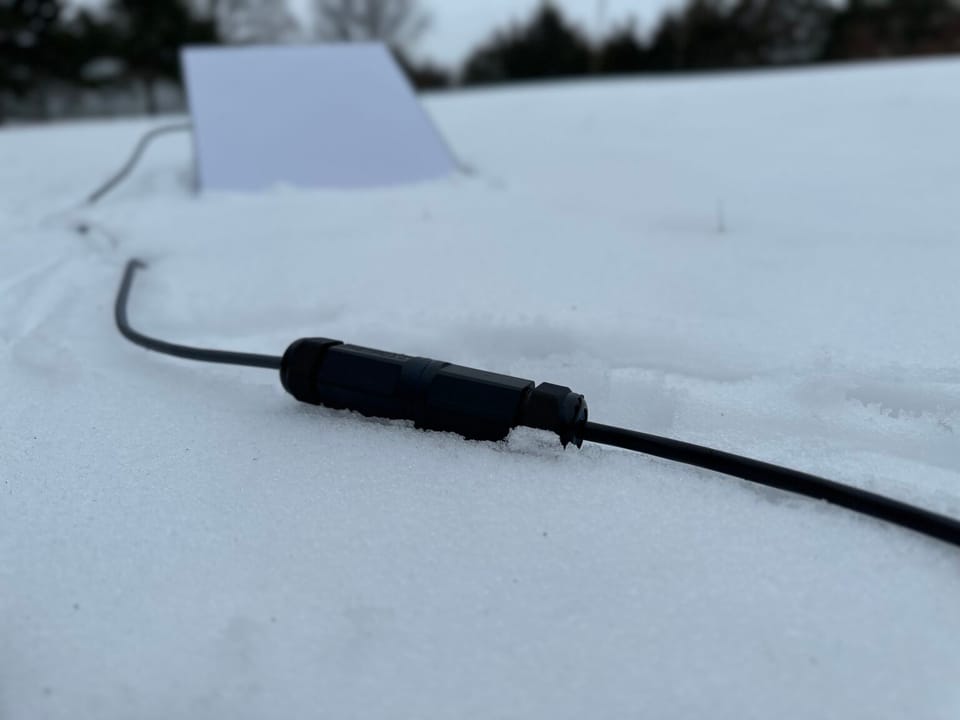
Since the Starlink cable will be outside, you'll want to use a waterproof Ethernet coupler to combine the 50 ft Starlink cable with an additional length of CAT6 cable. Be sure the CAT6 Ethernet cable you buy is outdoor rated and shielded. Here is what I've used in the past.
Maximum Cable Length
In my experience with all the Standard Starlink models, it's best to not exceed 150 ft (45 m) of total cable length between the dish and router. Beyond 150 ft you risk too much voltage drop. If the voltage drops too much from the router/power supply, the dish might not boot up properly.
If you have a situation where the Starlink antenna is further than 150 ft away, there are other ways to get it to work. One workaround is to install all the Starlink gear (dish, router, power supply) where the dish needs to be, and then run up to 300 ft of Ethernet cable back to your home to a secondary router or access point. Normal Ethernet cable (that isn't powering the Starlink antenna) can be run at much further distances compared to a Starlink cable.
Another option is to use a wireless Ethernet bridge to connect a remote Starlink system to your home. This is similar to the previous workaround, but uses wireless technology instead of running Ethernet cable in the ground. Check out my guide on extending Starlink wifi between buildings to learn more.
Routing the Starlink Cable
Starlink cables are designed to be routed through an exterior wall. They connect the Starlink antenna, usually mounted on the roof, to the Wifi router inside. Routing the cable through a wall can be accomplished with a small 3/4" hole, just big enough to fit the connector.
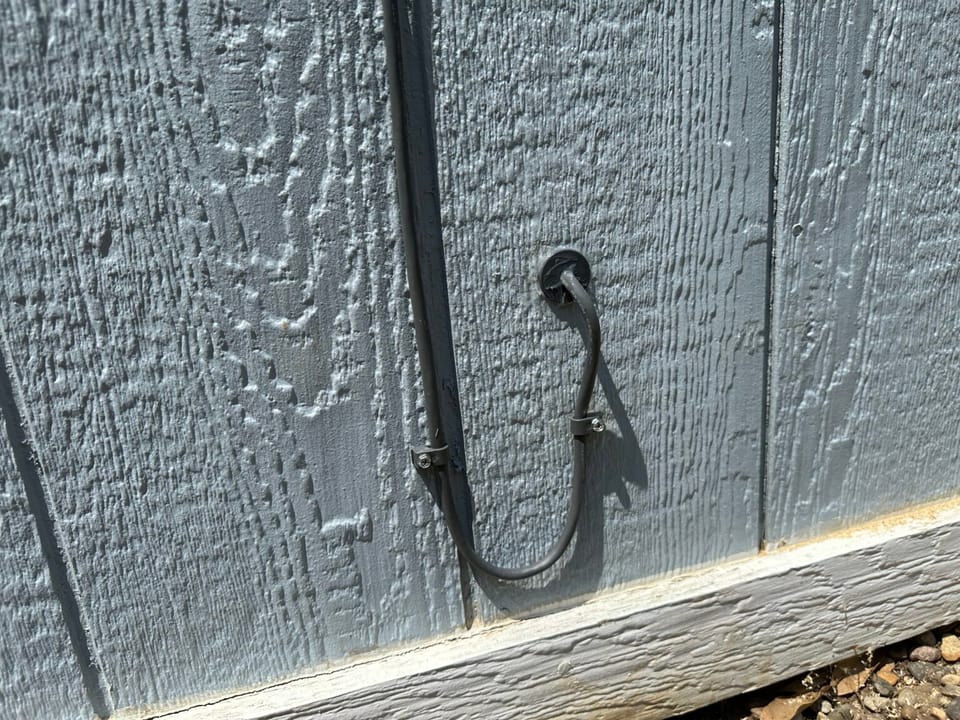
Be sure to check out my Starlink Cable Routing Kit Tutorial to learn how to properly route the cable inside.
Starlink cables are not rated for direct burial, but they can be buried underground if they are run through conduit. I recommend at least 1 inch conduit. Avoid sharp bends due to the shape of the connectors.
You don't have to fasten the Starlink cable down to your roof. I recommend just laying it on the roof, routing it to the wall where it will go down the side of the house. Starlink cables are rated for outdoor use, so they are UV resistant and can withstand rain and tough temperatures.
You can't use other types of cable for Starlink. Starlink cables are CAT6 Ethernet, designed to carry quite a bit of power and data between the dish and router. Old coax cables from other satellite systems aren't compatible. You'll need to run the Starlink cable instead of relying on any existing wiring.

Discussion
83 Comments