
Starlink in 2026: They Fixed Many of My Biggest Complaints, But Problems Remain
I’ve been a Starlink customer for over 5 years. I’ll talk about what’s changed, what’s good, and what’s bad. If you’re interested in getting Starlink and want to hear about how things are trending, this post is for you.

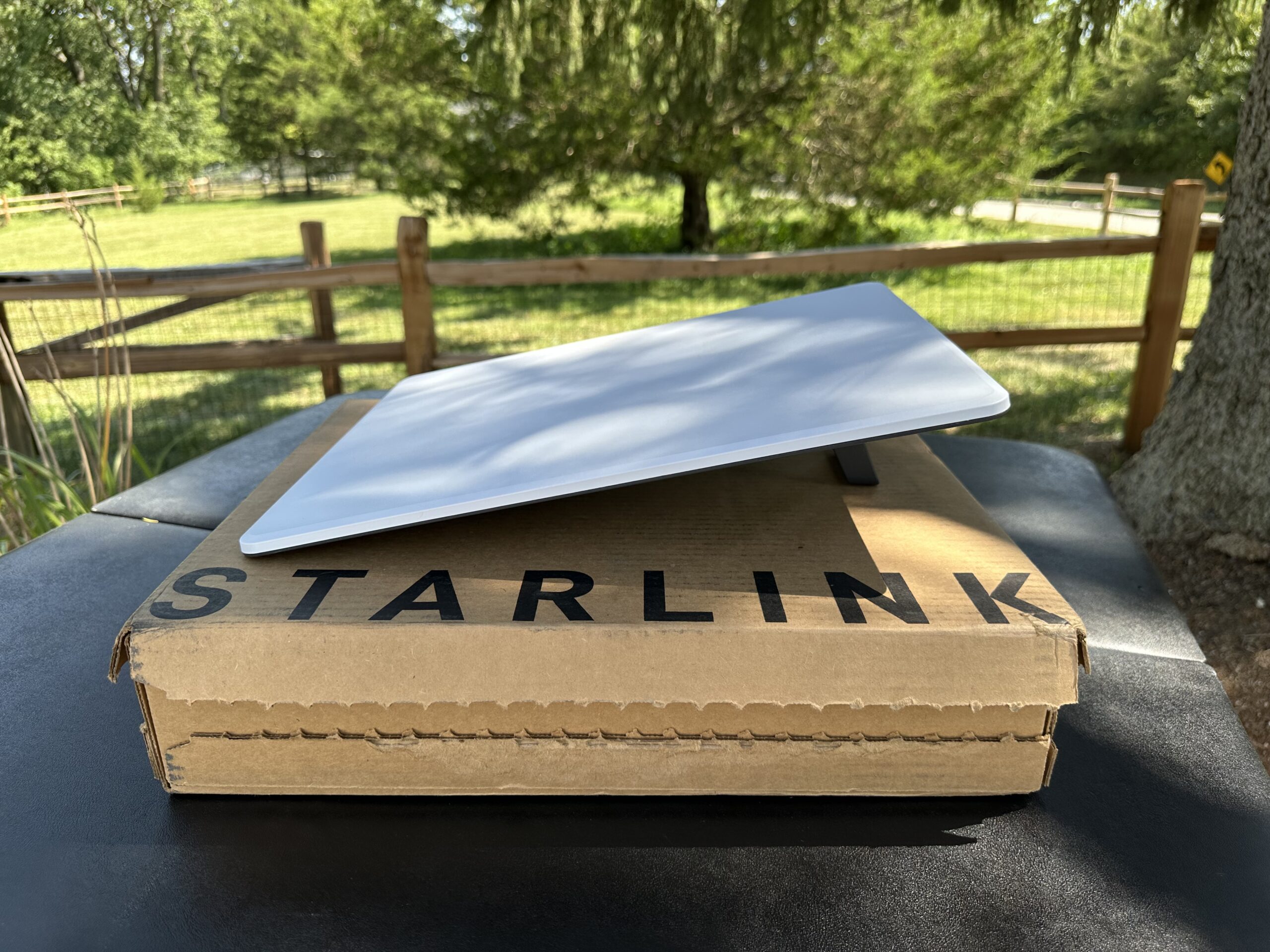
It’s been over a year since my last Starlink review post. I know a year isn’t a very long time, but it’s been incredibly transformative for Starlink. They made a lot of changes to their low Earth orbit satellite internet service: Different plans, price adjustments, and policy changes.
They fixed many of my previous complaints, but there are still some problems to talk about. In this updated review, I’ll revisit my cons list from the last review to see how things have improved. And with all the recent changes, I’ll talk about some new issues that I have with Starlink.
Let’s start with the improvements.
Performance
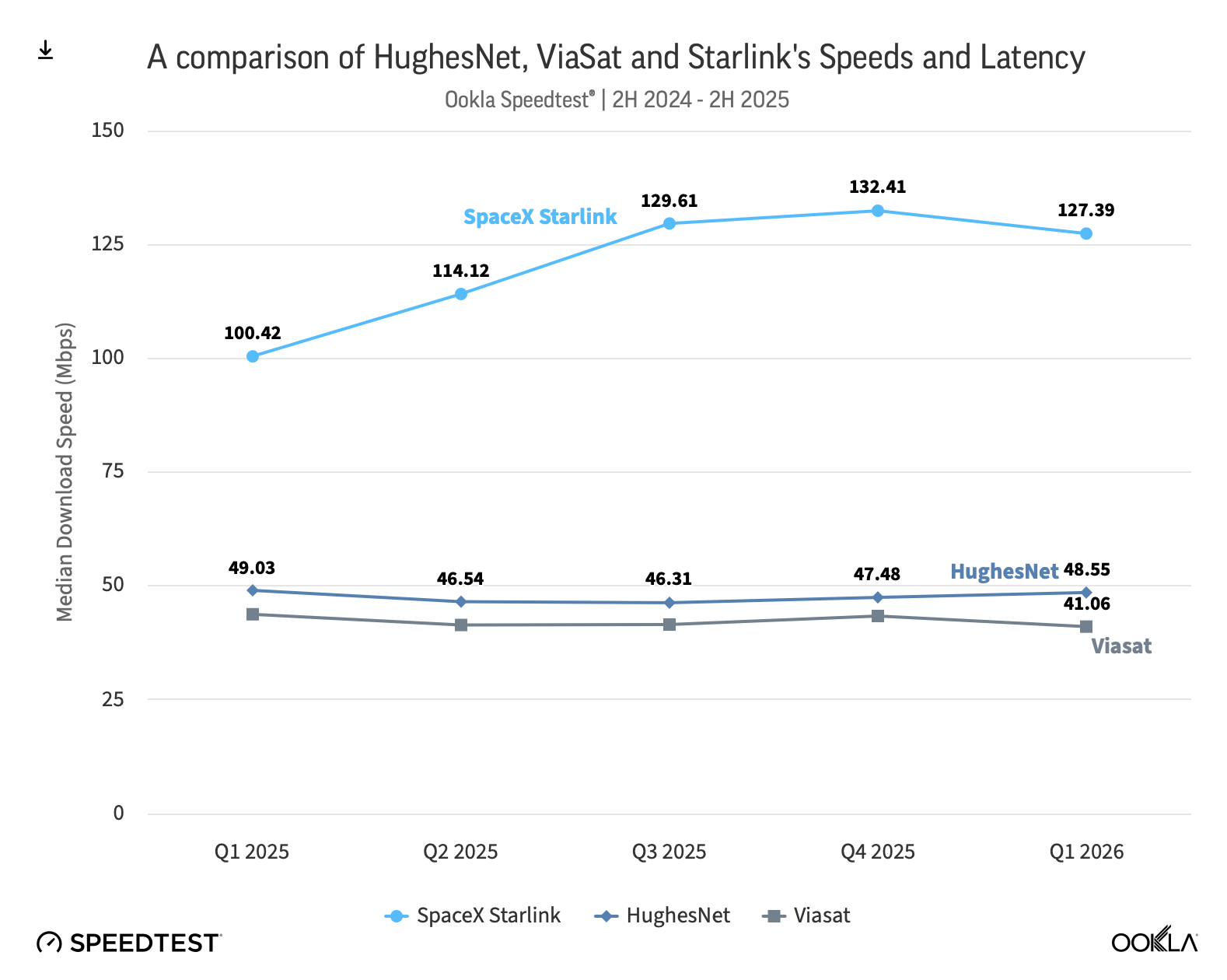
Starlink speeds have improved dramatically since my last review. This is evident from my own data, but also from independent sources like Ookla.com. Ookla (the company behind SpeedTest.net) publishes a quarterly report, analyzing Starlink performance. Their latest report shows how Starlink download speeds increased by about 30% over the course of 2025, reaching a peak median download speed of 132 Mbps in the US.
My own daily Starlink speed tests reveal a similar story. Over the last week, my Residential Max subscription with a V4 Starlink dish has averaged over 300 Mbps down and 50 Mbps up. I’ve hit peak speeds of over 400 Mbps on occasion.
Latency has improved significantly as well. In the early days of Starlink, it was common to see 40ms or more. Higher latency makes online gaming and video calls challenging. Starlink has managed to reduce average latency considerably. I now average around 24ms, often getting below 20ms during my daily speed test. That’s closing in on fiber! The latency improvements have made gaming on Starlink much better.
Cost
One of the biggest complaints from my previous review was the cost of Starlink. Not only did you have to shell out several hundred dollars for equipment up front, the subscriptions were expensive, with home internet plans starting at $120/month.
Starlink fixed the affordability issue by introducing new, lower cost plans for both Residential and Roam services. Residential 100 Mbps is the cheapest plan, starting at just $55/month. It gives you unlimited data, but download speeds are capped to 100 Mbps like the name implies. They also added Residential 200 Mbps for $85/month if you need more speed. Residential was rebranded to Residential Max, and the price increased to $130/month. Max doesn’t limit download speeds, and most customers can expect 300+ Mbps.
For travelers, Roam got some new service plans as well. Starlink increased the monthly data of Roam 50GB, rebranding the plan to Roam 100GB, which now costs $55/month. Roam 300GB is a brand new plan that fits between the 100GB and Unlimited plans. Roam 300GB comes with 300GB of data each month, at a cost of $80. Roam Unlimited gives you unlimited data for $165/month.
One of the biggest changes is the cost of hardware. It’s free for most customers these days. When you order one of the Starlink home internet plans, Starlink lets you lease equipment at no cost. You don’t own it, but it doesn’t cost anything to borrow. The only catch is that you must continue paying for your subscription every month. If you decide to cancel your plan, you must send back the equipment within 30 days.
Between the cheaper service plans and free equipment, Starlink is more affordable and accessible than ever.
Customer Service
Another one of my big complaints was customer service. Before, Starlink was often slow to respond to online tickets. They didn’t have a phone number to call, or even a public email. It was very difficult and frustrating to get ahold of Starlink for technical issues or general sales questions.
Starlink finally added call centers. You can now pick up the phone and speak with a customer service agent, whether it’s for technical help, or billing questions.
When you call you might be surprised to hear that the frontline call center agent isn’t human at all. You’ll likely talk to Starlink’s AI assistant first. Their AI assistant is powered by Grok, and powers frontline support for both online tickets and live phone calls. If your issue is too complex for the AI to handle, you can request to be transferred to a real person.
The result of these changes? Customer support response times have improved dramatically. I had an issue with my recent purchase of a Starlink V5 kit. I couldn’t change my service plan. I created an online ticket after chatting with the AI bot for a few minutes (it wasn’t able to help me). Within 24 hours, my issue was resolved. A couple years ago this same ticket might have taken days, or even a week, to receive a response.
Starlink fixed most of my biggest complains, but the service certainly isn’t perfect. There are still a few areas of concern, which I will cover in the next several sections.
Policy and Plan Changes
By far the biggest frustration that I hear about from Starlink customers is the constant, and seemingly random, policy and plan changes. Often without notice, Starlink will add or remove features from the service plans. Or eliminate plans completely. Or revise a policy quietly.
There are several recent examples of this. Standby Mode, Starlink’s $10/month pause feature, used to have several beneficial features that offered great value to customers. One of them being in motion connectivity. Another feature of Standby Mode was that it protected Residential customers with seasonal properties from the Demand Surcharge fee upon resuming service. Both features were removed without warning, leading to confusion and frustration.
Another example: Roam 10GB and Backup 50GB plans. Both plans were added, and then promptly removed within just a few months. I heard from many people who signed up for Starlink because of Roam 10GB, which was only $10/month for 10GB of data. The rug was pulled out from them when Starlink decided to eliminate the plan soon after introducing it, forcing those customers to upgrade to the $55/month Roam 100GB plan.
You know the saying about weather in the Midwest? It goes something like, “Don’t like the weather in the Midwest? Just wait 5 minutes.” And that’s exactly how I feel about Starlink’s policy and plan changes. The only thing that remains consistent is their desire to change things, often with short or no notice.
Demand Surcharge
Another complaint about Starlink right now is the Demand Surcharge. It’s a one-time fee for customers activating (or resuming) service in certain high demand areas. High demand areas are geographical regions without enough network capacity to satisfy additional customers.
In these high demand areas, customers trying to sign up for Starlink are shocked to find a fee ranging from $200 to over $1000 in some cases. The fee is designed to discourage new sign ups.
The Demand Surcharge fee replaced the waitlist that Starlink previously used to control capacity. In the past, high demand areas simply wouldn’t allow new customers to sign up. Now it’s more of a pay to play system. New customers are still allowed to sign up, assuming they are privileged enough to have $1000 laying around to cover the fee.
The fee has had many unintended consequences as well. For example, one person I spoke with had a seasonal cabin and used a Residential service plan. They put the plan in Standby Mode during the off season. Remember how I said previously that Standby Mode used to protect against the Demand Surcharge fee? Well, Starlink changed that in the time that this person put their subscription into Standby Mode. When they went to resume service at the beginning of the season, they were faced with a $1500 bill for reactivating.
I get the intent of the Demand Surcharge, but it does more harm than good, in my opinion.
AI Customer Service
Finally, let’s talk about Starlink’s AI assistant that is used for frontline customer support. I know you might be surprised to see this listed as both a pro and con in this review, but there are nuances worth discussing.
Starlink support has certainly improved overall with the introduction of AI, but other issues have been created at the same time. The AI assistant often hallucinates, which is common in LLM’s (large language models). When AI hallucinates, it provides misleading or incorrect information, but in a confident manner. This can lead to frustrating outcomes for customers, especially when it comes to technical issues.
One example that comes to mind is how the AI assistant keeps ordering the wrong replacement router to customers with older V3 kits. When a customer with a V3 kit creates a ticket because their router is no longer working, the AI’s first instinct is to send them a brand new V4 router, because V3 routers are no longer made. There is just one big problem, the V4 router isn’t a compatible replacement.
This issue has gone on for more than 8 months, and Starlink has been unable to properly train their AI assistant to correct the issue. This leads to days or even weeks of delay for customers, whose system is offline due to a bad router. A human could think critically and follow proper procedures for a V3 system, but the AI doesn’t seem to handle it well in some cases.
The Bottom Line
Overall, Starlink is more affordable, more accessible, and more reliable than ever. Prices have come down, customer service has improved, but the service certainly isn’t perfect.
That said, Starlink remains the one and only player in the low earth orbit satellite internet market, and it has been a game changer for rural folks and people working or exploring in remote areas not served by traditional internet services.
I’d certainly still recommend Starlink satellite internet to anyone who needs an alternative ISP. I’ve recommended it to close friends and family, and that hasn’t changed, even with some of the recent issues discussed in this review.

Most of the time I read an article or post then move on. You are well versed, and I want to thank you, because of what you provided in the article. I have decided not to purchase Star Link. I am getting ready to leave (snowbird) and the last thing I needed to do was to find an internet service. I will continue to do old school way. Thank again and when Star Link changes the surcharge on reconnection, and policy changes. I might become a customer. Happy Travels
Colby Great news.
Helpful and informative for future issues that inevitably will occure. Headed to Valencia Spain on the coast and feel so confident thanks to your reviews. I’ll be happy to let you know how reliable the coastline goes.
Ty. Francis
What is the number for the call center.
Ich kann das hier in Deutschland nicht bestätigen.
1. Der Preis steigt stetig und ist nicht wie im Artikel erwähnt günstiger geworden. Von Anfangs um die 50 Euro bis um die 70 Euro kostet Starlink seit neuestem 95 Euro.
2. Auch wurde die Nutzung außerhalb von Europa wurde von 60 Tagen kürzlich auf 30 Tage abgestuft.
3. Die Gebühren für den Standby wurden auch verdoppelt.
The two new less costly service plans are not universal. For those of us who live in rural areas where Starlink outshines the competition, we are offered only one choice, the $130 a month Residential Max Plan. Fiber is currently being run along the highways and byways where I live in Louisiana. Maybe once the competition becomes active, Starlink will think about taking advantage of us country folks!
You provide up to date and very professional data. I’m in Mexico and it seems, at least price, is different. Where I live at the beach there is nothing over 10mb so SL is a welcome gift. Yu present a very good delivery in writing and well is video – keep it up!